What BLab does
The precision and reliability of the most advanced analytical technologies, combined with the professionalism of our operators and researchers, allow us to be a benchmark for food safety control, analysis and assurance for small, medium and large agrifood companies, as well as for industries in the sector that rely on us to certify their data. Every instrument undergoes rigorous checks, and the accuracy of our tests — certifying scientific reliability — increases awareness of product quality standards and, consequently, helps ensure that food products are as safe and wholesome as possible.
Sampling and collection
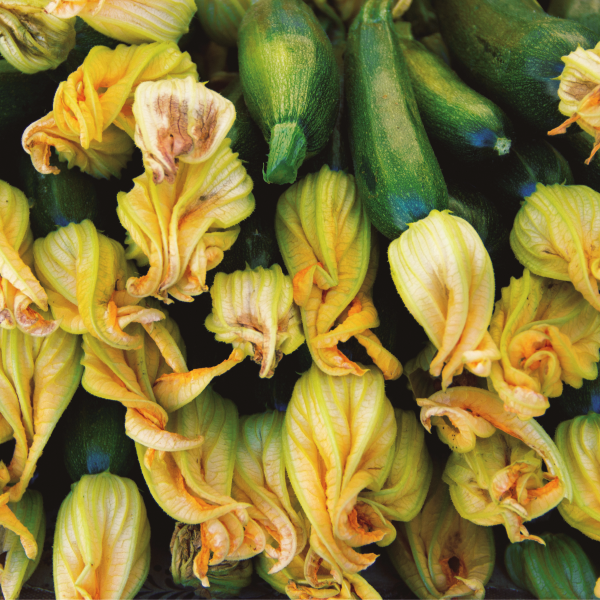
Sampling and collection activities (regulated by Law, within the food safety regulations), are a fundamental part of the analytical process. It is just this phase that allows finding a so-called “significant and representative” sample of the product and/or batch to be analysed. The sampling methods used by BonassisaLab are defined according to official protocols: each sampling is performed by qualified personnel and begins completing the documentation required for traceability of the product and/or batch collected. Following the sampling for each specific matrix, BonassisaLab performs analytical determinations in compliance with the holding time specific to each parameter. When necessary, analyses are carried out directly “in the field” (at the sampling site) using calibrated instruments and validated procedures, according to quality controls established by current regulations. This ensures the same reliability as the data produced in our laboratories even during any “in-field analyses. For wastewater, it is possible to perform a 24-hour “weighted average” analysis, always relying on meticulous and timely sampling.

Chemical
bromatological tests
BonassisaLab performs standardized, highly reliable and scientifically validated analyses, to verify nutritional labels, quality and integrity of mass-consumption food products. The food matrices analysed in our laboratories include: cereals and flours; meat and meat products; fruits and vegetables; dried fruit; legumes; fish and fish products; wine and oil; gastronomy and pastry products; preserved vegetables; baby products.
Pesticides
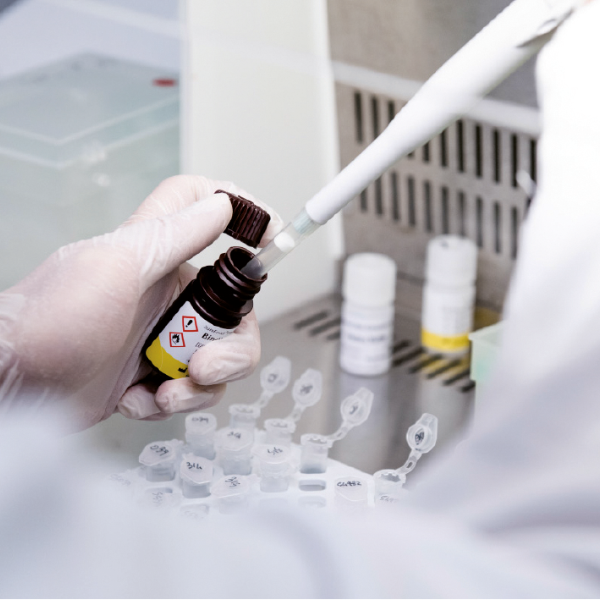
The health risks — linked to the possible presence of contaminant residues in food, water and feed — are leading many governments to raise regulatory standards controlling their use. BonassisaLab has an advanced research centre for analysis of pesticide residue, ensuring that food products comply (or not, depending on analytical results) with the current regulatory requirements through the detection of over 800 molecules (including active ingredients and their metabolites). BonassisaLab carries out analytical tests on many food matrices: cereals; fresh and dried fruits; vegetables; wine and oil; processed products; legumes; spices; baby products. The predominant technique used is mass spectrometry (LC-MS/MS and GC-MS/MS). The laboratory also conducts the analysis of polar pesticides (Single Methods), dithiocarbamates and phosphine using LC-MS/MS and GC/MS analytical techniques.
Mycotoxins
Mycotoxins are substances produced by moulds/fungi that may contaminate agricultural products. Several scientific studies have classified them among factors causing cancer; that’s why many Countries have adopted or are adopting more urgent regulations to better monitor the consumption of products that could contain mycotoxins. BonassisaLab analyses most currently regulated mycotoxins — including those recently regulated (Ergot alkaloids, Alternaria toxins, Tropane alkaloids) — using both official and internal methods (LC-MS/MS, HPLC with UV and fluorescence detectors).
Heavy metals
Even residual levels of heavy metals, in food products, can negatively affect health (Lead, Cadmium, Nickel, etc.). BonassisaLab identifies the presence of heavy metals (trace amounts) using ICP MS/MS technology to ensure high sensitivity of the method even when applied to very complex matrices, with particular attention to baby products.
Research and development division, emerging contaminants
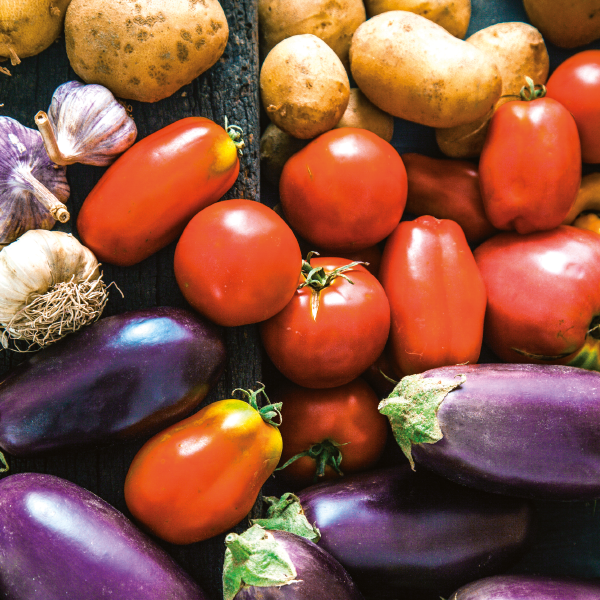
It is a relatively new risk to food safety due to its highly adverse effects on health and, more broadly, on the environment. Scientific research is identifying increasingly evolving chemicals capable of contaminating food, drinking water, agriculture, livestock and aquaculture. It is, therefore, essential to monitor emerging contaminants in order to reduce the risk of any potential impact on Consumers, with inevitable repercussions on agrifood and agroindustrial sectors. Thanks to investments in cutting-edge technologies, as well as scientific expertise and staff training, BonassisaLab Research and development division has specialized in the detection and identification of so-called emerging contaminants, constantly updating the range of molecules analysed and the sensitivity of the methods used.
PFAS
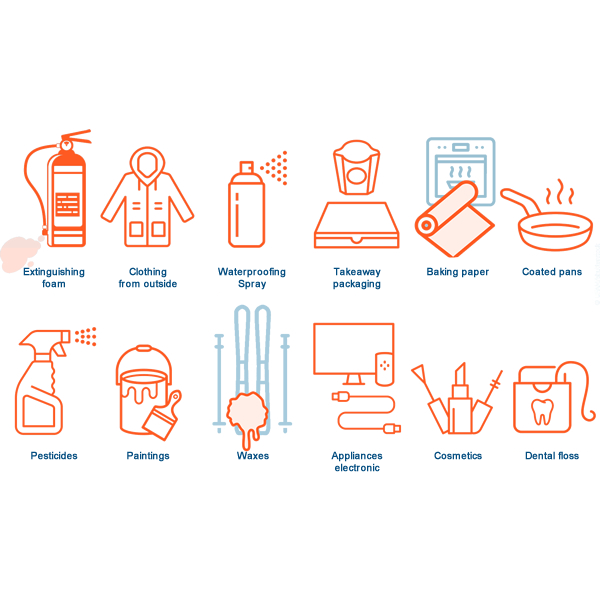
Considered by science as the pesticides of the near future, PFAS are synthetic chemical compounds widely used in numerous industrial sectors and in household products (e.g., to give non-stick properties to the inner surfaces of cookware). They are also used in detergents, floor polishes, medical products, metal plating, oil processing and mining, as well as in the production of paper and packaging, textiles, leather, carpets, clothing and upholstery. Moreover, they are used in the aerospace, aviation and defence industries, for the manufacturing of various mechanical components, as well as in construction, electronics, energy and firefighting (e.g., foams and equipment).

Biology and microbiology division
The Food Microbiological Analysis Laboratory is a specialized facility in sanitary inspection and microbiological assessment of food products, water and processing surfaces. Its primary goal is to ensure food safety and compliance with current regulations on health and food quality. BonassisaLab provides analytical services using standardized ISO, AFNOR and Microval methods, through both traditional and rapid techniques, thanks to the detection of specific pathogenic microorganisms by means of PCR technologies. The wide range of analysis performed at the new “Biology” division of BonassisaLab, ensures product quality and integrity by guaranteeing the absence of spoilage organisms or pathogens. Our objective is to offer our clients a first-rate analytical service that supports food companies throughout the entire production process.

Molecular biology and allergens
Food intolerances are a serious health issue, not only for Consumers. Although they affect a relatively small portion of population, health consequences can be very severe. For this reason, both EFSA (European Food Safety Authority) and the FDA (Food and Drug Administration) require that any allergenic ingredients present in food products be clearly indicated in the label. The presence of undeclared allergens in foods is one of the leading causes of product recalls and/or withdrawals from the market, both in Europe and in the United States. The main allergens analysed at BonassisaLab include: gluten, lactose, milk proteins, eggs, nuts, soy, mustard, fish, crustaceans and molluscs. We take a comprehensive approach to food safety, also focusing our attention on the fight against food fraud through the detection of Genetically Modified Organisms (OGM), quantification of bread wheat/durum wheat and species identification in various food matrices.

Food contact
(packaging and indirect contamination)
Companies that manufacture materials that come into direct contact with foods are required to comply with the legal regulations in force in Italy, Europe and the countries they are destined for. They are also obliged to provide supporting documentation throughout the supply chain, so that the materials’ suitability for food contact can be verified.
In the analytical field, BonassisaLab performs the following tests:
- water analysis for both drinking purposes and use in the food industry;
- global and specific migration tests in food simulants;
- migration and metal content tests;
- MOSH & MOAH.
Specifically, MOSH (Mineral Oil Saturated Hydrocarbons) and MOAH (Mineral Oil Aromatic Hydrocarbons) are hydrocarbon compounds differing in structure and size; they belong to the broader family of Mineral Oil Hydrocarbons (MOH), which primarily originate from lubricants used in the packaging materials industry. Contamination can therefore occur both from raw materials and during various stages of food production, including transportation and storage. Based on current information, the main food matrices that could be affected by MOH contamination include: dry foods (such as flour, cereals, coffee, cocoa powder, mild powdered), sweets, fatty foods (including chocolate), oilseeds, nuts, vegetable oils and animal fats. Other fluids, such as water used in the industry and compressed air can also act as carriers of these contaminants.
Water
BonassisaLab analyses: water intended for human consumption; domestic and industrial wastewater; surface and groundwater; water for irrigation and livestock use. Determinations are carried out using the most advanced analytical techniques (GC/MS, GC/MS interfaced with Purge and Trap, ICP/MS; ICP/OES; GC/MS/MS; LC/MS/MS; spectrophotometry; etc), ensuring compliance with current regulations regarding drinkableness, environmental standards, and agronomic and livestock use relevant to the food industry supply chain.